How to Choose a Carry-On Bag for Short Business Trips
The right bag for a short business trip begins with your itinerary, not a luggage category. Check the carry-on and personal-item allowance attached to your fare on the operating airline. If the journey involves a partner airline or a different aircraft type, check that segment too. IATA notes that allowances can vary by airline, cabin class and aircraft, so a retailer's cabin-approved description cannot settle the question.
Record the relevant size, weight and item-count limits before comparing bags. Keep the rules with your travel checklist and check them again when booking a different route. A bag with generous capacity is not a useful upgrade if it creates a recurring choice between removing work equipment and paying to check it.
Compare packed dimensions with useful capacity
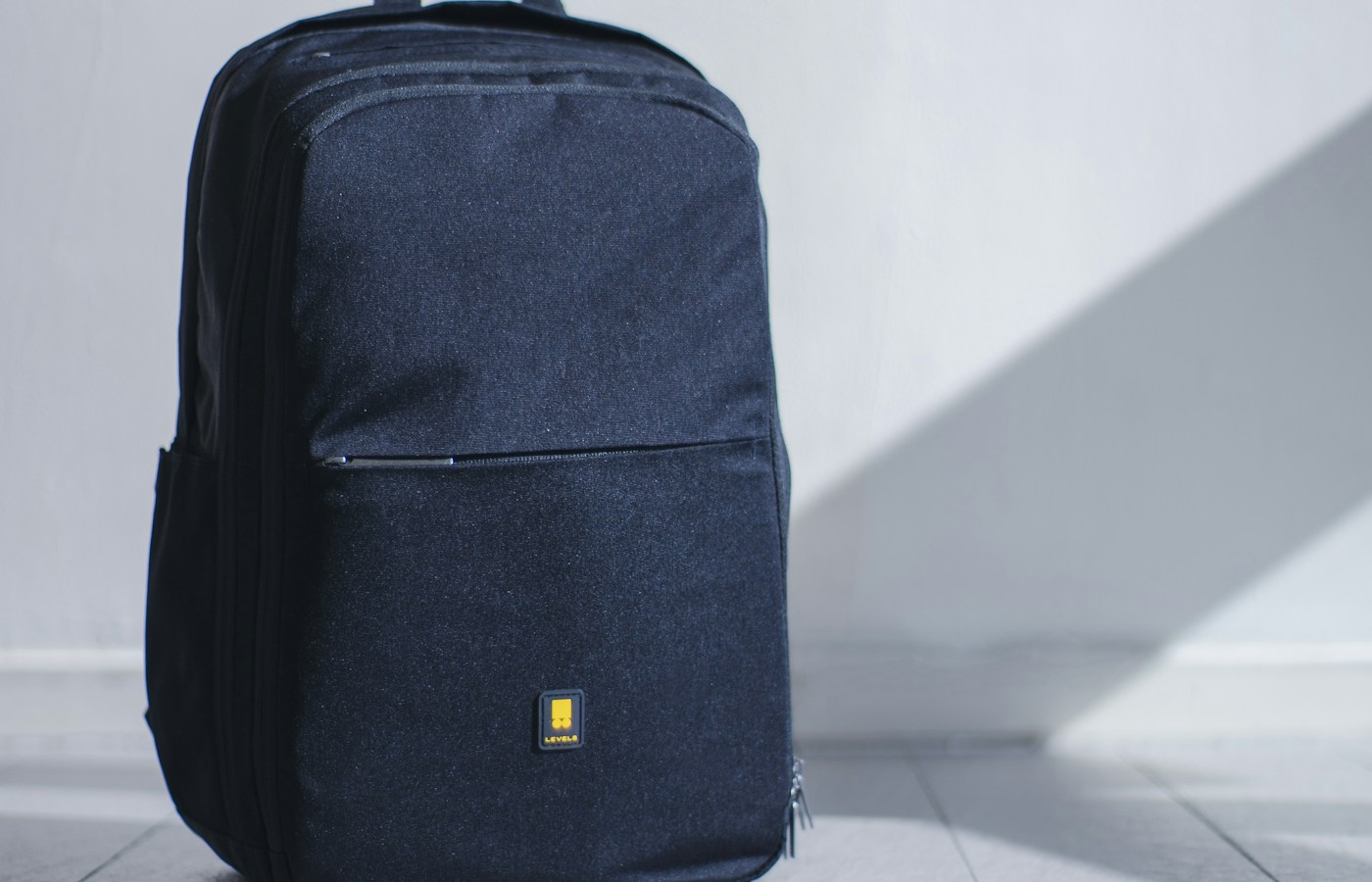
Use external dimensions that include protruding parts such as wheels and handles, and understand how the airline measures a bag. Then consider what happens when the front pocket is full. A soft bag can become deeper after packing, while an expanding case may fit one allowance only when its expansion section is closed. Measure the configuration you intend to carry.
A stated volume is most useful alongside the shape of your possessions. A suit, a laptop and a pair of shoes do not fill space like loose clothing. Lay out a representative two-night load and identify anything that needs protection or separation. Compare internal layout around that load instead of assuming that the bag with the highest liter figure will pack best.
| Trip pattern | Useful starting format | Check before buying |
|---|---|---|
| Rail plus walking between meetings | Backpack or convertible bag | Loaded comfort, strap storage and clothing organization |
| Airport to hotel with smooth transfers | Small rolling case | Wheel behavior, handle stability and external dimensions |
| Workday straight after arrival | Bag with separate work access | Laptop removal without opening the clothing compartment |
| Tight allowance on connecting flights | Compact unexpanded bag | Packed weight and the strictest booked segment |
Design the journey between the airport and the meeting
Wheels reduce how often you carry a bag on suitable surfaces, but stairs, uneven pavements and crowded trains change the experience. A backpack keeps both hands available, yet its comfort depends on the loaded fit. Compare the route you actually take rather than treating one format as universally more professional or more convenient.
Check the empty weight before adding your normal work kit. Test handles, shoulder straps and the balance of a loaded bag during the retailer's permitted trial or return period. On a rolling case, see whether a laptop bag attached to the handle makes the combination unstable. On a backpack, check whether stiff internal objects press against your back when the clothing section is packed.
Keep work access separate from unpacking
A useful business layout lets you retrieve a laptop, charging cable and document without exposing the rest of your clothing in a public place. Check laptop-compartment dimensions against your actual device, including any sleeve. A stated screen-size compatibility is not a precise measurement of the compartment. Decide which items need quick access and which should stay deeper inside the bag.
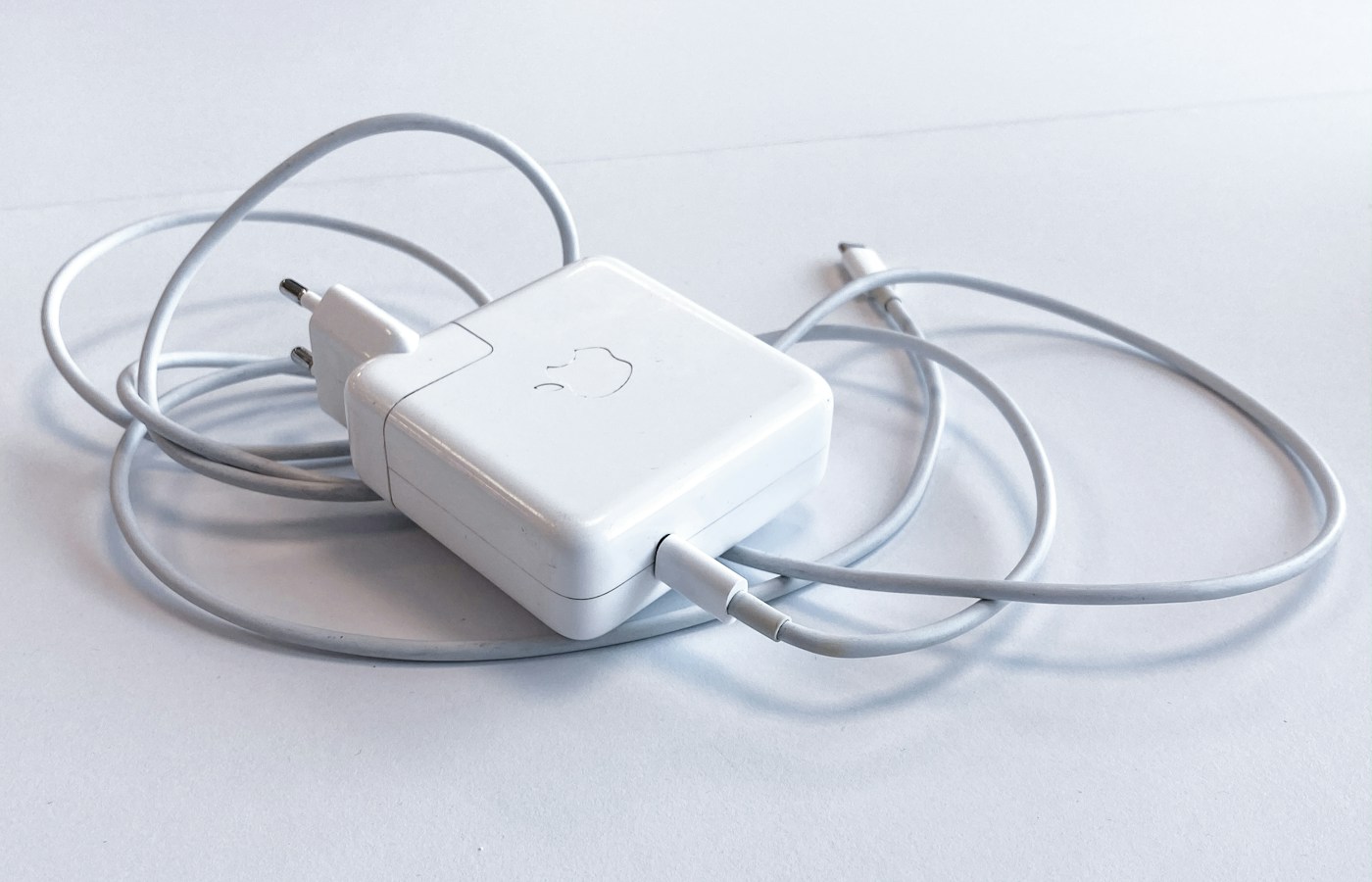
Keep a small essentials pouch ready in case the main bag must be checked at the gate. FAA guidance specifically addresses removing spare lithium batteries and power banks from a gate-checked bag so they remain in the cabin. Consult the current rules for your devices and airline. The practical buying question is whether these items can be removed quickly without a complete repack.
Pay for serviceable details you will use
Look beyond the shell material to the parts that receive regular handling: wheels, zippers, handles, lining and strap attachment points. Ask about replacement parts, repair locations and the precise warranty coverage. A broad lifetime phrase is less informative than a clear explanation of what happens if a wheel or zip fails before your next trip.
Build the final comparison around one packed load, one representative journey and one set of airline rules. Reject bags that fail the allowance or access requirements before comparing appearance. If two options fit, favor the one that is comfortable to move and simple to organize with your own equipment. The goal is a repeatable packing routine that gets you from departure to the first meeting without unnecessary handling.
Summary
Start with the allowance on your actual flights, then compare packed dimensions, access to work essentials and the routes you walk.
- Check the operating airline, fare and aircraft rules instead of treating cabin-size labels as a universal standard.
- Measure the packed bag including handles, wheels and filled exterior pockets.
- Make important documents, work devices and items that must stay in the cabin easy to remove.