How to Choose an Air Purifier for Your Room
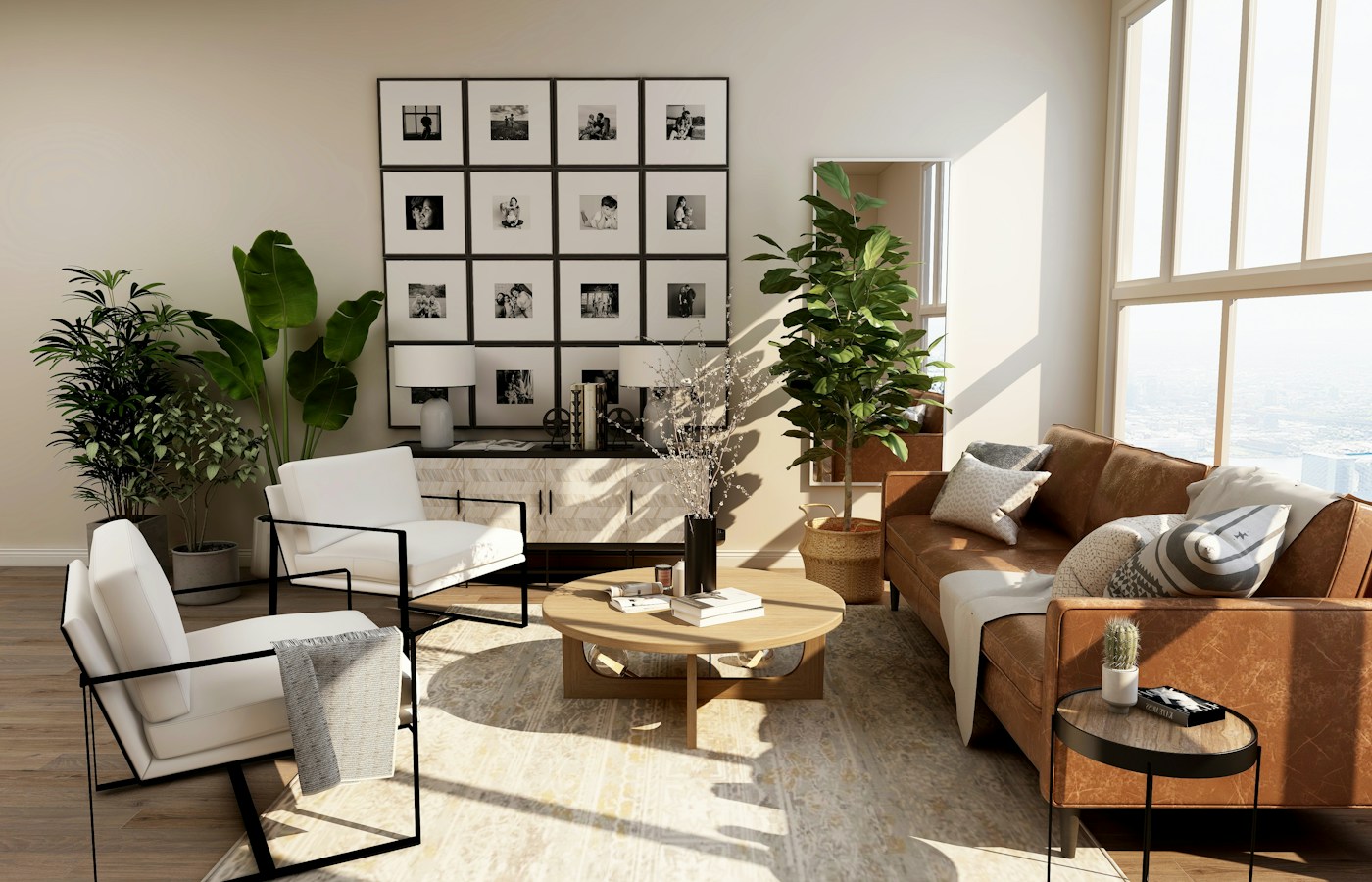
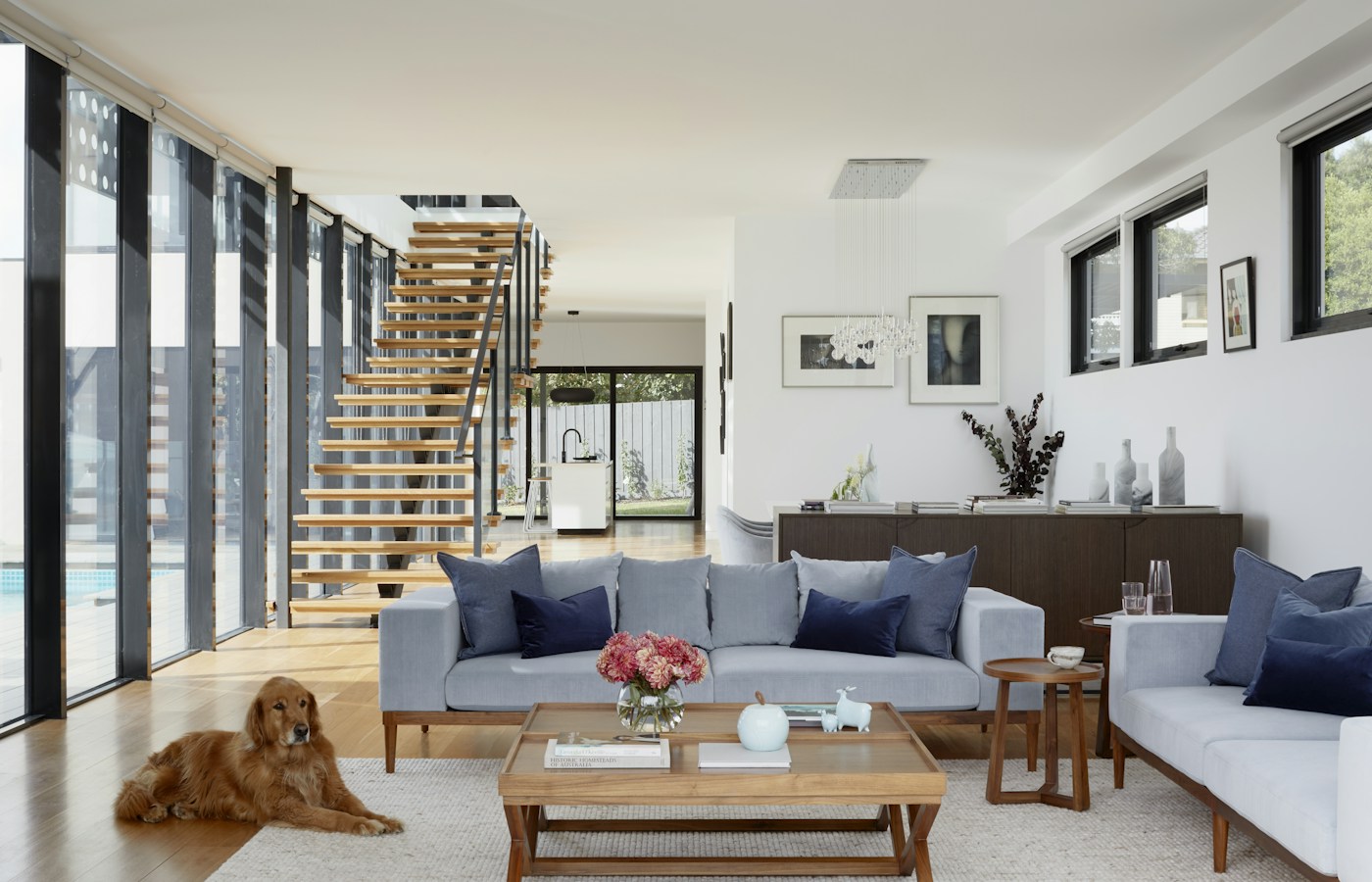
Start with a specific room, its floor dimensions, ceiling height and usual door positions. A bedroom used with the door closed is a different space from a living area that opens into a kitchen and staircase. Measure the connected area you expect the appliance to serve instead of borrowing the area of the whole home from a listing.
EPA describes portable air cleaners as equipment intended for a room or area and treats filtration as a supplement to source control and appropriate ventilation. Choose the appliance for an identifiable cleaning task. It cannot establish that every kind of pollutant has been removed, and a room-size claim is not a promise about an entire home.
Know what the published cleaning figure measures
Clean air delivery rate, or CADR, describes the delivery of filtered air under a defined test. AHAM's verified ratings distinguish smoke, dust and pollen. Keep the pollutant category and units alongside the number when comparing products. A figure in cubic feet per minute cannot be compared numerically with one in cubic metres per hour without conversion.
The efficiency of a piece of filter material and the cleaning output of a complete appliance answer different questions. Read the rating for the assembled unit, including its fan and filter arrangement. Where a seller provides only a filter percentage or a large room-area headline, ask for the underlying test and operating setting before putting it beside a documented CADR.
Put room-size claims on the same basis
Ask which ceiling height and cleaning frequency support the stated area. AHAM's guidance specifically flags higher ceilings as a reason to consider a unit rated for a larger space. Two room-area claims can therefore be different even when both are printed accurately: the assumptions may differ.
A simple dimensional check helps expose those assumptions. A hypothetical 4 m by 5 m room with a 2.5 m ceiling has a volume of 50 m³. An illustrative CADR of 200 m³/h divided by 50 m³ gives four equivalent room volumes per hour at that rated setting. This arithmetic is a comparison tool, not a prediction that every part of the room will reach a particular particle concentration.
| Comparison entry | What to record | Why it matters |
|---|---|---|
| Room | Floor dimensions, ceiling height, connected spaces | Defines the space being considered |
| CADR | Number, units, pollutant category and test | Keeps cleaning figures comparable |
| Operating setting | Fan speed used for the rating | Connects output to the intended routine |
| Noise | Published sound figure and measurement conditions | Helps assess whether that setting is practical |
| Consumables | Exact filter reference and replacement instructions | Makes upkeep and cost visible |
Compare the setting you are willing to leave running
Find the noise and output information for the mode you expect to use. A maximum-speed CADR and a quiet-mode sound claim describe separate operating points unless the manufacturer explicitly connects them. For a bedroom, ask what capacity remains at the intended overnight setting; for a workroom, consider conversation and calls.
Read what an automatic mode actually controls and which sensor informs it. A display showing a changing reading is not evidence that every relevant pollutant is being measured. If the manufacturer publishes no output information for a quieter mode, retain that uncertainty instead of treating the maximum rating as quiet-mode performance.
Check filters and additional technologies separately
Particle filters and gas-removal media serve different purposes. If odor or a particular gas is the concern, request evidence for that substance, the media used and the replacement instructions. A particle-cleaning figure does not by itself establish gas removal. EPA also advises avoiding equipment intentionally designed to generate ozone.
Read the manual for optional functions and whether they can be disabled. Keep the purchase centered on a documented function you need. Feature names, colored air-quality lights and an app interface are useful only when they help you operate or maintain the appliance; they do not replace an appropriate cleaning specification.
Make a maintenance and placement plan
Locate the exact replacement filter before buying the appliance. Record its price, local availability and the manufacturer's cleaning or replacement instructions. Treat quoted replacement intervals as guidance tied to use and conditions, then budget with clearly stated assumptions rather than promising a fixed annual bill.
Choose a position that follows the manual's clearance requirements and leaves the air inlet, outlet and service panel accessible. Include the physical footprint in the room plan. A unit that fits the measured space but cannot be placed without blocking circulation or becoming awkward to maintain deserves another look before purchase.
Finish with a comparable shortlist
Compare two or three candidates using the same room, rating units and operating assumptions. Add the initial price, planned filter purchases, electricity assumptions and the controls you will actually use. Label missing evidence explicitly. A modest, well-documented appliance can be easier to choose than a feature-heavy one whose relevant operating figures are unclear.
Keep the manual, filter reference and rating record with the receipt. They provide a useful baseline when the room layout changes, the unit becomes noisier or a replacement filter is needed.
Summary
Compare room dimensions, particle-cleaning capacity, operating noise and replacement-filter costs before choosing a portable air purifier.
- Choose for the room and operating speed you will use, with the room-size calculation stated clearly.
- Compare whole-device clean air delivery and the relevant pollutant category rather than a filter label alone.
- Check replacement-filter availability, noise and running costs alongside the purchase price.